Hidden Sugar in Everyday Foods: What You Should Know
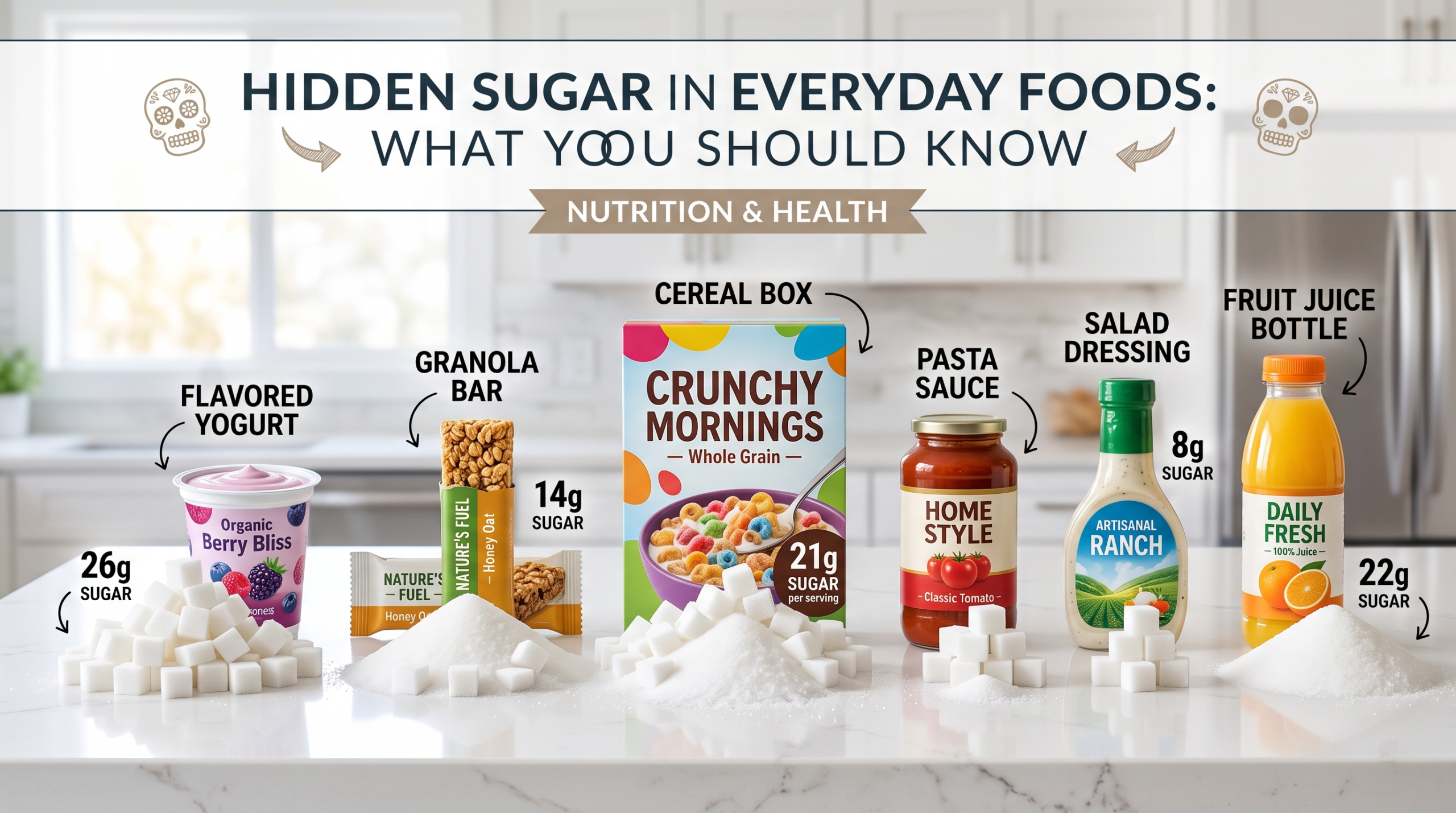
When we hear the word sugar, most of us immediately think of sweets, chocolates, cakes or soft drinks.
But sugar can show up in many other foods too.
A breakfast cereal, packaged drink, flavoured yoghurt, biscuit or even a seemingly healthy snack may contain added sugars. This doesn’t mean that every packaged food is unhealthy or that you need to completely eliminate sugar from your diet. The important thing is to understand where added sugar is coming from and how much you are consuming overall.
For people trying to eat better, learning to read food labels can be a surprisingly useful first step.
Natural Sugar and Added Sugar Are Not the Same
This is one of the first things worth understanding.
The sugar naturally present in whole fruits and vegetables is different from sugar added during food preparation or processing. Milk also naturally contains sugar in the form of lactose.
Added sugars, on the other hand, are incorporated into foods or drinks during processing or preparation. They can come from ingredients such as sugar, syrups, honey and concentrated fruit juices. So, seeing the word “sugar” on a nutrition label doesn’t automatically mean the food is unhealthy.
The bigger question is: What kind of sugar is it, and how much are you getting?
Foods Where Added Sugar May Hide
1. Packaged Breakfast Cereals
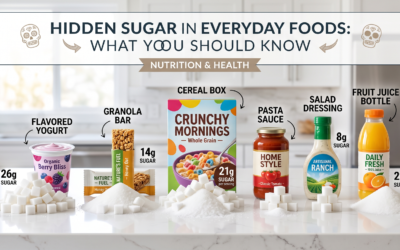
Some breakfast cereals are marketed as convenient or nutritious breakfast options, but certain varieties can contain considerable amounts of added sugar.
This is particularly worth checking when the cereal is flavoured or marketed toward children.
Instead of relying only on the front of the packet, turn it around and check the nutrition information and ingredient list.
2. Flavoured Yoghurt
Plain yoghurt and flavoured yoghurt can be very different products.
Flavoured varieties may contain added sugar to make them sweeter. If you enjoy yoghurt regularly, compare the labels and consider choosing plain yoghurt and adding fresh fruit yourself.
That gives you more control over what goes into the bowl.
3. Packaged Fruit Drinks
The word “fruit” on a package doesn’t necessarily mean that a drink is equivalent to eating whole fruit.
Some fruit drinks and beverages can contain added sugars. WHO’s definition of free sugars also includes sugars naturally present in fruit juices and fruit juice concentrates.
For everyday hydration, plain water is a simple choice.
4. Biscuits and Cookies
Biscuits are an everyday snack in many Indian homes.
The problem is that it can be easy to eat several at once without thinking about how much sugar, fat and energy they contribute to the overall diet.
You don’t necessarily have to stop eating biscuits completely. Paying attention to portion size and choosing them less frequently can be a more realistic approach.
5. Flavoured Milk and Milk-Based Drinks
Milk naturally contains lactose, so not all sugar listed in a milk-based product has been added.
However, flavoured milk, sweetened beverages and some ready-to-drink milk products can contain additional sugar.
Again, the label is your friend.
6. Sauces and Condiments
Ketchup, sweet chilli sauce and some other ready-made sauces can contain added sugar.
You may not think of them as “sweet foods”, but small amounts can add up when they are used regularly.
This is one reason looking at the ingredient list can be useful even when a food doesn’t taste particularly sweet.
7. Packaged Snacks
Some snack products are marketed as convenient options for busy people.
Depending on the product, sugar may be added for flavour. This doesn’t mean every packaged snack contains large amounts of sugar, but checking the label can help you compare products.
8. Sweets and Desserts
This one isn’t exactly hidden—but portion size is often overlooked.
Indian sweets, cakes, pastries, ice cream and other desserts can be enjoyable parts of celebrations and social occasions.
The goal doesn’t have to be avoiding them forever.
A more practical approach is to enjoy them occasionally and pay attention to how frequently and how much you eat.
How to Spot Added Sugar on a Food Label
One of the easiest habits you can develop is learning to read the nutrition label.
Look for the sugar information, and then check the ingredient list.
Depending on the product and labeling system, added sugar can appear under different ingredient names. These can include terms such as:
- Sugar
- Sucrose
- Glucose
- Dextrose
- Syrups
- Honey
- Molasses
- Concentrated fruit juice
The exact labeling requirements vary by country and product, so don’t rely on one word alone. Look at the complete ingredient list and nutrition information.
The FDA, for example, explains that added sugars can include sugars added during processing as well as sugars from syrups, honey and concentrated fruit or vegetable juices.
Don’t Be Fooled by the Serving Size
Here’s another common mistake.
Suppose a packet says that one serving contains a certain amount of sugar. That doesn’t necessarily mean the entire packet contains that amount.
Check how many servings are in the package.
If you eat two servings, you need to account for the sugar from both.
It sounds obvious, but serving sizes can be easy to overlook when you’re hungry or eating in a hurry.
How Much Sugar Is Too Much?
There isn’t one universal number that applies perfectly to every person.
The World Health Organization recommends limiting free sugars to less than 10% of total daily energy intake for both adults and children. It says reducing intake to below 5% may provide additional health benefits. For someone consuming 2,000 calories a day, 10% is roughly 50 grams of free sugar per day.
This is a general public-health recommendation, not a personalised prescription.
Individual nutritional needs can differ, particularly for children, athletes, pregnant people and people managing medical conditions.
Why Does Cutting Back Matter?
Eating too much free sugar can increase the overall energy density of the diet without providing many essential nutrients. Higher intake is also associated with dental caries and can contribute to unhealthy weight gain.
The point isn’t to become afraid of every gram of sugar.
Instead, it’s about making sure that sweetened foods and drinks don’t quietly take up too much space in your everyday diet.
Simple Ways to Reduce Added Sugar
You don’t need to completely change your diet overnight.
Try a few small changes:
Choose whole fruit more often
An apple, orange, guava or banana can be a simple snack. Whole fruit also provides fibre and other nutrients.
Drink more water
If you’re regularly drinking sweetened beverages, replacing some of them with water can make a meaningful difference.
Compare similar products
When buying cereal, yoghurt, bread, drinks or packaged snacks, compare labels and choose an option with less added sugar when practical.
Reduce sugar in tea gradually
If you normally add two teaspoons of sugar to your tea, try reducing it slowly rather than stopping suddenly.
Your taste preferences can adjust over time.
Don’t skip the ingredient list
The front of a package is designed to attract attention. The ingredient list and nutrition information tell you more about what you’re actually buying.
Keep sweets as an occasional treat
There is room for enjoyment in a healthy diet. A piece of traditional mithai during a festival doesn’t have to become a source of guilt.
The bigger picture is your overall eating pattern.
What About Honey and Jaggery?
This is an important question in Indian households.
Honey and jaggery are often viewed as healthier alternatives to ordinary white sugar. They can have different nutritional properties and flavours, but they are still sources of sugar.
WHO includes sugars naturally present in honey and syrups within its definition of free sugar.
So replacing white sugar with large amounts of honey or jaggery doesn’t automatically make a sweetened diet healthy.
The amount still matters.
You Don’t Have to Give Up Everything Sweet
Healthy eating shouldn’t feel like punishment.
There is nothing wrong with enjoying a favourite sweet occasionally. The concern is when foods and drinks high in added or free sugars become an everyday habit without us noticing.
A useful approach is simple:
Know what you’re eating. Check the label. Watch portions. Make small changes.
You don’t need a perfect diet to make healthier choices.
Final Thoughts
Sugar isn’t hiding because food manufacturers are necessarily trying to trick us. Modern food production often uses sugar for taste, texture, preservation and other purposes.
The responsibility ultimately comes down to making informed choices.
The next time you pick up a packet of biscuits, a flavoured yoghurt or a bottled drink, spend a few seconds looking at the label.
That small habit can tell you something your eyes—and sometimes even your taste buds—can’t.
Because when it comes to sugar, knowing what you’re eating is the first step towards eating better.