Jagannath Rath Yatra 2026: Witness the World’s Largest Chariot Festival
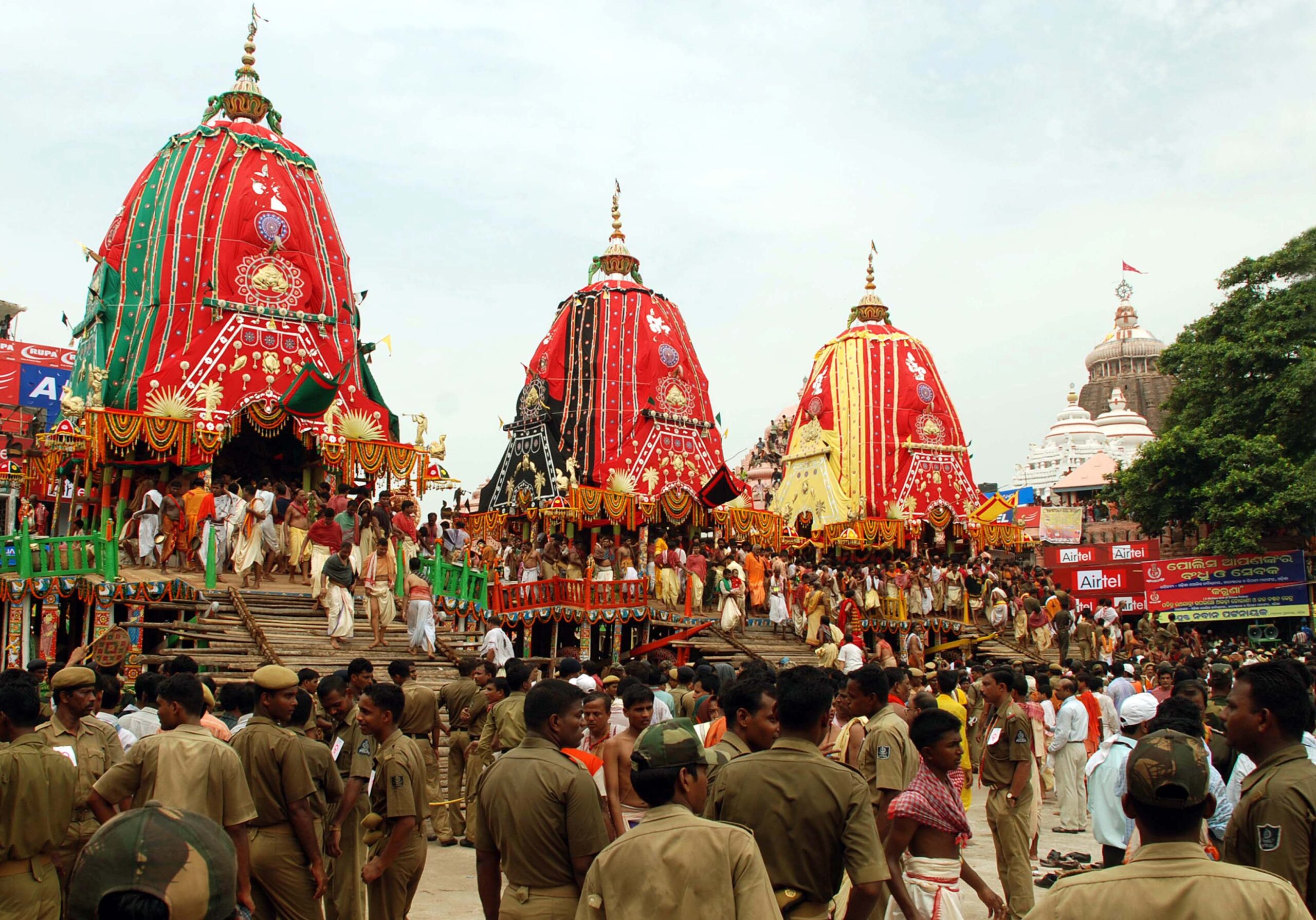
Every year, the coastal town of Puri in Odisha transforms into a sea of devotion, colour, music, and celebration. Streets echo with the chants of “Jai Jagannath” as millions of devotees gather to witness one of the oldest and most spectacular religious festivals in the world—the Jagannath Rath Yatra.
The Jagannath Rath Yatra 2026, scheduled for 16 July 2026 (Thursday), is expected to draw pilgrims, tourists, photographers, and spiritual seekers from every corner of the globe. For devotees, this is much more than a festival; it is a rare opportunity to see Lord Jagannath, Lord Balabhadra, and Goddess Subhadra leave the sanctum of the temple to bless everyone, regardless of religion, caste, or nationality.
If you are planning to visit Puri or simply want to understand the significance of this centuries-old tradition, this guide covers everything you need to know.
What is Jagannath Rath Yatra?
The word ‘Rath’ means chariot, while ‘Yatra’ means journey. Together, Rath Yatra refers to the grand procession in which Lord Jagannath, his elder brother Lord Balabhadra, and sister Goddess Subhadra travel from the famous Jagannath Temple to the Gundicha Temple in beautifully decorated wooden chariots.
The journey covers nearly three kilometres along Puri’s historic Grand Road, popularly known as Bada Danda. Thousands of devotees pull the massive chariots using thick ropes, believing that participating in this sacred act brings divine blessings and spiritual merit.
Unlike regular days when entry into the Jagannath Temple is restricted, Rath Yatra offers everyone the chance to have darshan of the deities, making it one of the most inclusive religious celebrations in the world.
Jagannath Rath Yatra 2026 Date and Important Schedule
The festival is not limited to a single day. It consists of several rituals spread across nearly two weeks.
Important Dates
| Event | Date |
|---|---|
| Rath Yatra | 16 July 2026 (Thursday) |
| Bahuda Yatra (Return Journey) | 24 July 2026 (Friday) |
| Suna Besha | 25 July 2026 (Saturday) |
| Adhara Pana | 26 July 2026 (Sunday) |
| Niladri Bije | 27 July 2026 (Monday) |
Each ceremony has its own religious significance and attracts thousands of devotees.
The Story Behind Rath Yatra
The origins of Rath Yatra are deeply rooted in Hindu mythology. According to tradition, Lord Jagannath expresses a desire to visit the Gundicha Temple every year, which is believed to represent the home of his aunt. This annual journey symbolizes love, compassion, and the Lord’s willingness to come out of the temple to bless all devotees equally.
Many scholars also believe the festival represents the idea that God is accessible to everyone. The sight of thousands of people from different backgrounds pulling the same chariot together beautifully reflects unity, equality, and shared faith.
Over the centuries, this tradition has continued without interruption, making it one of the oldest living festivals in the world.
The Three Magnificent Chariots
One of the most fascinating aspects of Rath Yatra is that new chariots are built every year.
Unlike many festivals where decorations are reused, the chariots of Lord Jagannath are constructed afresh from sacred neem wood by skilled artisans following traditional methods that have remained unchanged for generations.
Nandighosha – Chariot of Lord Jagannath
Standing at approximately 45 feet tall, Nandighosha is the largest among the three chariots. It has sixteen wheels and is decorated with bright yellow and red cloth.
Taladhwaja – Chariot of Lord Balabhadra
Slightly smaller than Nandighosha, Taladhwaja has fourteen wheels and features green and red decorations.
Darpadalana – Chariot of Goddess Subhadra
The smallest of the three, Darpadalana has twelve wheels and is beautifully decorated with black and red cloth.
Watching these enormous wooden chariots move slowly through the streets of Puri is an unforgettable experience.
Major Rituals of Rath Yatra
The celebration begins weeks before the main procession.
Snana Purnima
The deities are ceremonially bathed with 108 pitchers of sacred water. This ritual marks the beginning of the festival.
Anasara
After the bath, the deities are believed to fall ill and remain away from public view for about fifteen days. During this period, devotees eagerly await their return.
Nabajaubana Darshan
The deities reappear in youthful form, marking their symbolic recovery.
Pahandi
Perhaps the most exciting ritual before the procession, Pahandi involves carrying the deities from the temple sanctum to their respective chariots amidst rhythmic chants, music, and dancing devotees.
Chhera Pahanra
The Gajapati King of Puri sweeps the platforms of the chariots with a golden broom. This powerful tradition reminds everyone that before God, every individual is equal.
Bahuda Yatra
After staying at the Gundicha Temple for several days, the deities begin their return journey to the Jagannath Temple.
Suna Besha
On the day after Bahuda Yatra, the deities are adorned with exquisite gold ornaments weighing several kilograms. This is considered one of the most beautiful moments of the festival.
Niladri Bije
The festival concludes with the deities returning to the sanctum of the Jagannath Temple.
Why Millions Visit Rath Yatra
For many devotees, attending Rath Yatra is a lifelong dream.
The atmosphere during the festival is unlike anything else. Devotional songs fill the air, giant chariots roll through the streets, volunteers distribute food and water, and people from different cultures come together in celebration.
Many visitors describe the experience as emotional rather than merely religious. Whether one believes in the spiritual significance or appreciates the cultural heritage, Rath Yatra leaves a lasting impression.
Travel Guide for Rath Yatra 2026
If you are planning to visit Puri during Rath Yatra, a little preparation can make your journey much smoother.
How to Reach Puri
The nearest airport is Biju Patnaik International Airport in Bhubaneswar, located about 60 kilometres away.
Puri Railway Station is well connected with major Indian cities, and additional special trains are usually introduced during the festival.
Regular buses and taxis are also available from Bhubaneswar, Cuttack, Visakhapatnam, and Kolkata.
Where to Stay
Hotels fill up quickly during Rath Yatra.
It is advisable to book accommodation at least two to three months in advance. Options range from luxury hotels overlooking the sea to affordable lodges and dharamshalas.
Staying near the Grand Road offers easier access to the procession but usually comes at a higher price.
Essential Tips for Visitors
- Reach Puri at least one day before the festival.
- Wear light cotton clothing suitable for July’s humid weather.
- Stay hydrated throughout the day.
- Carry only essential belongings.
- Follow instructions issued by police and volunteers.
- Keep children and elderly family members close.
- Use designated medical camps if assistance is required.
Don’t Leave Without Tasting Mahaprasad
No visit to Puri is complete without experiencing the famous Mahaprasad of Jagannath Temple.
Prepared in the temple’s traditional kitchens using age-old methods, Mahaprasad is considered sacred and is shared by devotees without any social distinction.
Popular offerings include:
- Abhada
- Khaja
- Dal
- Rice
- Vegetable curry
- Kheer
- Poda Pitha during Bahuda Yatra
Fascinating Facts About Rath Yatra
- Rath Yatra has been celebrated for centuries without interruption.
- New wooden chariots are built every year using traditional techniques.
- Thousands of craftsmen work for months to complete the chariots.
- The festival attracts millions of devotees from India and abroad.
- ISKCON organizations celebrate Rath Yatra in hundreds of cities worldwide.
- The Puri Rath Yatra is regarded as the original and most significant Jagannath chariot festival.
Frequently Asked Questions
When is Jagannath Rath Yatra 2026?
The main Rath Yatra will be celebrated on Thursday, 16 July 2026.
Can non-Hindus watch Rath Yatra?
Yes. Although entry into the Jagannath Temple is restricted, everyone can witness the chariot procession on the Grand Road.
Is Rath Yatra free to attend?
Yes. There is no entry fee to watch the procession.
How many days does Rath Yatra last?
The festival extends over several days, beginning with Rath Yatra and concluding with Niladri Bije after the return journey.
Final Thoughts
Jagannath Rath Yatra is not merely a religious event—it is a celebration of devotion, culture, craftsmanship, and human unity. Every year, the streets of Puri become a living symbol of faith, where millions come together with one common prayer and one common chant: “Jai Jagannath.”
Whether you are a devotee seeking blessings, a traveller exploring India’s cultural heritage, or a photographer looking to capture unforgettable moments, Rath Yatra 2026 promises an experience that will stay with you long after the festival ends.