
Facts and History of the Asia Cup
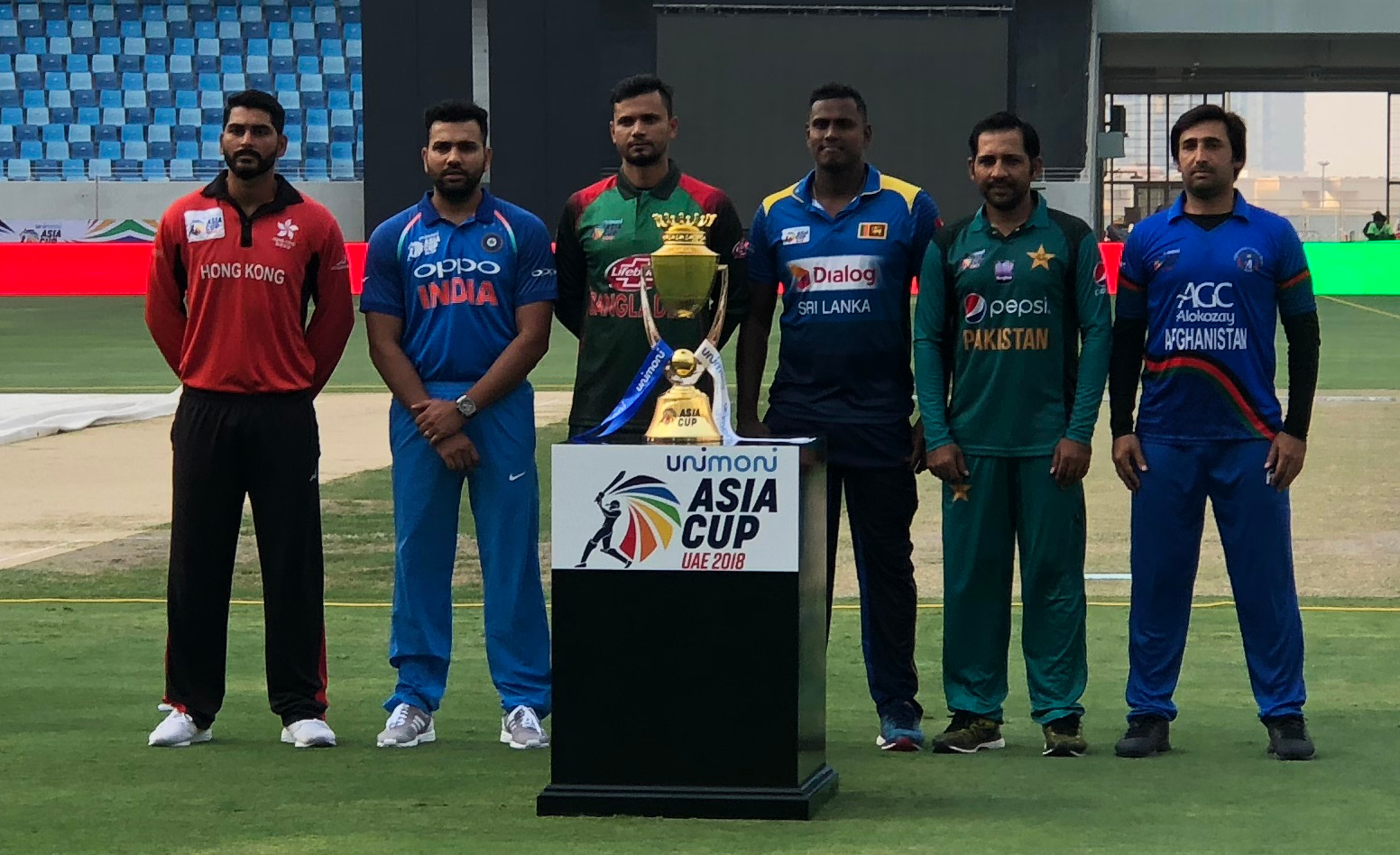
Facts and History of the Asia Cup
The Asia Cup is one of the most prestigious cricket tournaments in the world, bringing together top teams from the Asian continent. Organized by the Asian Cricket Council (ACC), it serves as a platform for showcasing regional cricketing talent and building unity among cricket-loving nations. Over the years, the Asia Cup has witnessed legendary performances, fierce rivalries, and memorable moments that have added to the charm of international cricket.
Origin and Early History
The idea of the Asia Cup was born in 1983, soon after the formation of the Asian Cricket Council. Its main objective was to promote goodwill among Asian countries through cricket. The first tournament was played in 1984 in Sharjah, UAE, where India emerged as the inaugural champion. Since then, the Asia Cup has been hosted in different countries, including Sri Lanka, Bangladesh, Pakistan, and the UAE.
Tournament Format
The Asia Cup is unique because it has been played in both One Day International (ODI) and Twenty20 (T20) formats, depending on the upcoming ICC event. For example, if a World Cup in the ODI format is near, the Asia Cup is played as an ODI tournament, and if a T20 World Cup is approaching, it shifts to the shorter format. This flexibility makes it one of the most adaptable international cricket tournaments.
Notable Facts
-
India is the most successful team, winning the Asia Cup multiple times across both ODI and T20 formats.
-
Sri Lanka has been the most consistent team, reaching the finals on numerous occasions and securing several titles.
-
Pakistan, too, has enjoyed success, with its aggressive style of play producing unforgettable matches.
-
Bangladesh, though not a frequent winner, has played in several finals, proving their steady rise in Asian cricket.
-
The Asia Cup was not held regularly in its early years, with gaps due to political tensions and scheduling issues.
-
The tournament has grown in importance over time, often seen as a “mini World Cup of Asia.”
-
In 2016, for the first time, the Asia Cup was played entirely in the T20 format, aligning with the T20 World Cup that year.
Historical Highlights
-
1984 (UAE): India won the very first edition.
-
1986 (Sri Lanka): Sri Lanka lifted their maiden Asia Cup title at home.
-
2008 (Pakistan): Known for high-scoring matches, including some record-breaking innings.
-
2018 (UAE): India won in the ODI format, highlighting their dominance in Asian cricket.
-
2022 (UAE): The tournament returned in T20 format, with Sri Lanka defeating Pakistan in the final.
Importance of the Asia Cup
Beyond the statistics, the Asia Cup is a celebration of cricket’s growing popularity in Asia. It offers players exposure to high-pressure situations similar to global tournaments and strengthens regional rivalries, especially matches like India vs. Pakistan, which draw massive global viewership.
Conclusion
The Asia Cup has evolved from a small regional competition into a globally recognized event. It reflects not only the cricketing skills of Asian nations but also their passion, unity, and spirit. As cricket continues to grow, the Asia Cup will remain a cherished tournament, adding new chapters to the sport’s glorious history.