10 Interesting Facts About Zubeen Garg

10 Interesting Facts About Zubeen Garg
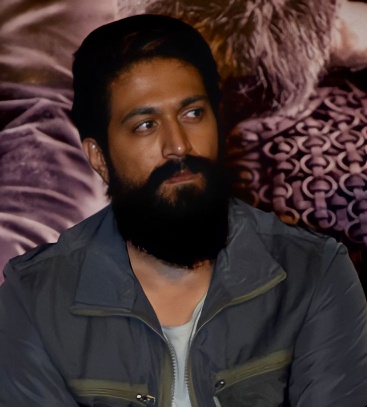
Zubeen Garg is a name that resonates with music lovers across India, especially in the northeastern states. Known for his soulful voice, versatility, and contributions to Indian music and cinema, he has earned immense respect and love from fans. Here are ten fascinating facts about this multi-talented artist:
1. Birth and Early Life
Zubeen Garg was born on 18 November 1972 in Jorhat, Assam. He grew up in a culturally rich family with a strong musical background, which inspired him to pursue a career in music from a young age.
2. Named After a Legendary Composer
His parents named him Zubeen after the famous composer Zubin Mehta, one of the world’s greatest conductors. This shows the influence of music on his family and their aspirations for him.
3. A Multi-Talented Artist
Zubeen is not just a singer. He is a composer, music director, lyricist, actor, and filmmaker. His wide range of talents has made him a complete entertainer.
4. Breakthrough Song – Ya Ali
He rose to nationwide fame with the song “Ya Ali” from the movie Gangster (2006). The track became a massive hit across India and abroad, making him a household name in Bollywood.
5. A Prolific Singer
Zubeen has sung in over 30 languages, including Assamese, Hindi, Bengali, Tamil, Telugu, Marathi, Nepali, and English. His versatility has helped him reach audiences far beyond Assam.
6. A Proud Assamese Icon
In Assam, Zubeen is more than a singer—he is a cultural icon. His contribution to Assamese music, especially modern Assamese songs and Bihu hits, has earned him legendary status in his home state.
7. Film Career
Apart from music, Zubeen has also acted in Assamese films like Mission China, Kanchenjunga, and Mon Jai. His work as a director and producer showcases his passion for storytelling.
8. A Record-Breaking Performer
Known for his energetic stage presence, Zubeen Garg has performed in thousands of live concerts across India and abroad. His long performances, sometimes lasting several hours, are famous among his fans.
9. Awards and Recognition
He has received numerous awards, including Best Playback Singer awards in regional and national categories. His contributions to Indian music have been widely acknowledged by critics and audiences alike.
10. A Social Voice
Beyond entertainment, Zubeen actively speaks on social and political issues. He often uses his music and public platform to raise awareness about culture, identity, and social justice in Assam and the Northeast.
Conclusion
Zubeen Garg is more than just a singer—he is an emotion for millions of fans. With his unmatched versatility, iconic voice, and dedication to music and cinema, he continues to inspire generations. His journey from Assam to the national stage proves that true talent knows no boundaries.
Zubeen Garg was not only a musical powerhouse and cultural icon but, in recent days, has become a figure of collective mourning across Assam and greater India. On 19 September 2025, at the age of 52, he passed away in Singapore following a tragic scuba-diving accident.
His death stirred an outpouring of grief: the Assam government declared three days of state mourning. Thousands of fans lined the streets from airports to his residence, singing his songs, holding vigils, and paying their final respects as his mortal remains were brought back to Guwahati. The body was placed at the Sarusajai Stadium (Arjun Bhogeswar Baruah Sports Complex) for public viewing.
There has also been concern and controversy: FIRs were filed against the event organizer and his manager in relation to the accident. His wife has publicly appealed to drop the case against his manager, stating he was like a brother to Zubeen. In a poignant detail, a video has circulated where Zubeen had expressed a last wish—that his ashes be immersed in the Brahmaputra River after his demise.
These latest events add a deeply emotional and tragic dimension to his legacy. Zubeen Garg’s influence on music, especially in Assam and Northern India, was immense. His passing has not only left a void in the arts but also prompted reflections on his choices—how much he remained rooted in his home state and what opportunities he may have missed by not moving more permanently to Mumbai.