The Story Behind an Old Temple in Your Neighbourhood: A Story of Odisha
There is something beautiful about an old temple in Odisha.
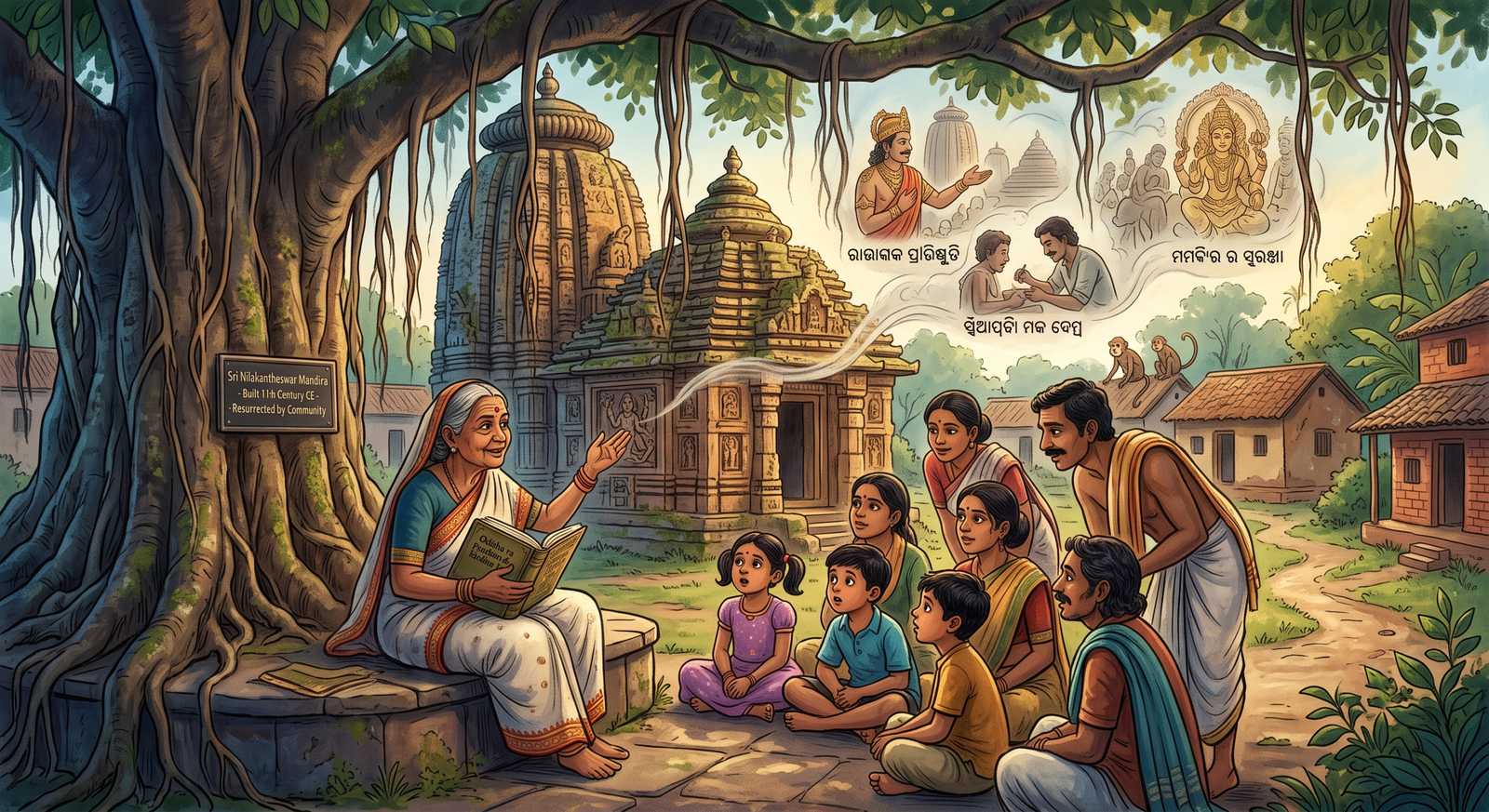
It may not be famous. It may not appear on a tourist map. It may not have thousands of visitors every day. Perhaps it stands quietly beneath an old banyan tree at the corner of a village, beside a narrow road, or between houses that were built much later.
Yet, walk through almost any older settlement in Odisha and you are likely to find one.
And behind that small temple, there is often a story.
A story of faith. A story of families. A story of changing villages and growing towns. And, in many ways, a small chapter of Odisha’s own history.
The Temple We Pass Without Looking
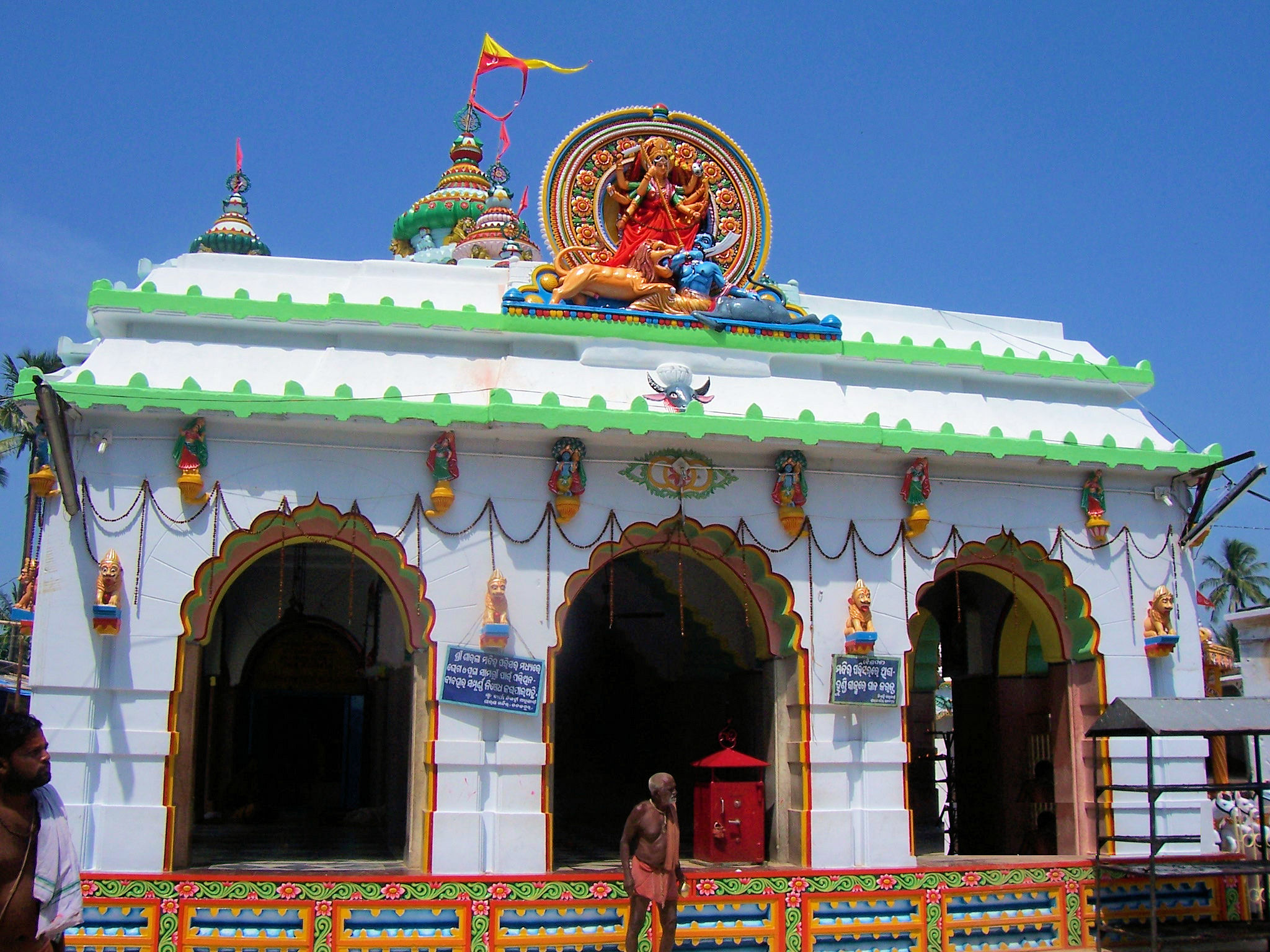
Imagine an old Shiva temple in a neighbourhood in Odisha.
Its stone walls have darkened with age. The carvings are no longer as sharp as they once were. The courtyard has been repaired several times, and a modern electric light now hangs above an entrance that may have existed for generations.
Every morning, someone opens its doors.
A few devotees arrive before beginning their day. Someone lights a lamp. Someone rings the bell. An elderly person sits quietly for a few minutes.
For the people living nearby, none of this seems extraordinary.
It is simply part of life.
But look a little closer, and the temple begins to tell us something about the place around it.
Odisha: Where Temples Became Part of Everyday Life
Odisha’s temple tradition is deeply connected with its history and culture. The distinctive Kalinga style of temple architecture developed over centuries, with Odisha Tourism describing its evolution from around the 6th century CE through the medieval period. The temples were not merely religious structures; they also became important centres of social and cultural life.
This is why an old temple in a neighbourhood can be much more than a place of worship.
It can be a landmark.
It can be a gathering place.
It can be the place where festivals begin, where community decisions are discussed, where children play during evenings and where generations of families return year after year.
From Kalinga to the Odisha We Know Today
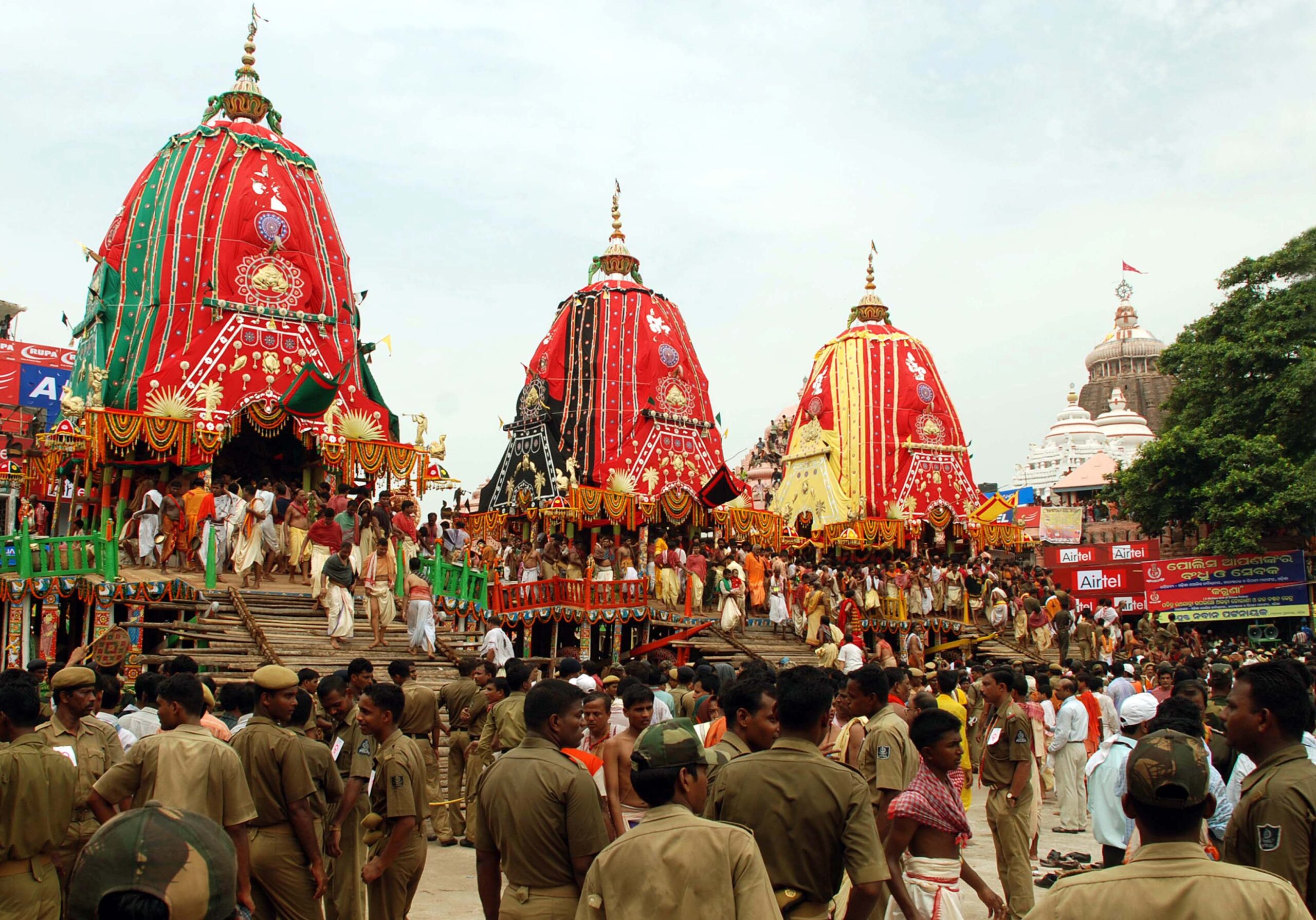
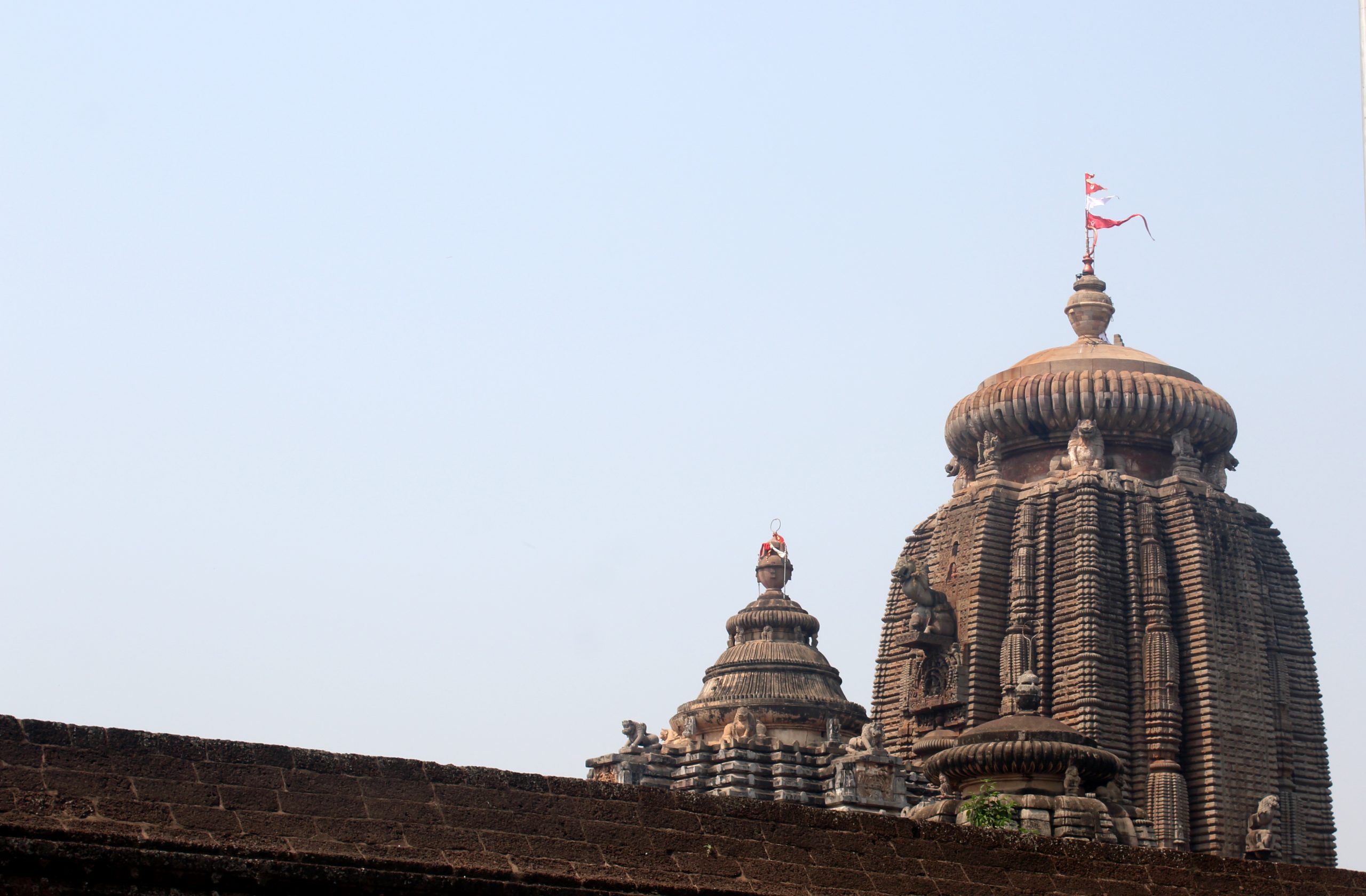
When we think about Odisha’s temple history, names such as Jagannath Temple in Puri, Lingaraj Temple in Bhubaneswar and the Sun Temple at Konark naturally come to mind.
But Odisha’s heritage is much larger than these famous monuments.
Bhubaneswar alone contains a remarkable collection of historic temples. Odisha Tourism notes that the early development of the Kalinga school can be seen in monuments such as Parasurameswar Temple, dating to around the 7th century CE.
The later centuries produced celebrated monuments such as Lingaraj, Mukteshwar and the great Sun Temple of Konark. Odisha Tourism describes Mukteshwar as a gem of Odia temple architecture and Lingaraj as an important symbol of the cultural synthesis found in Odisha.
But history did not live only inside these grand monuments.
It lived in smaller shrines too.
The Temple That Remembered the Village
Before concrete roads and modern houses, many settlements were very different.
A temple could stand at the heart of a village, surrounded by trees, ponds and open land. People knew the priest. Families knew one another. Festivals were community occasions rather than events watched from a distance.
An elderly resident might still remember when the road in front of the temple was unpaved.
Someone might remember the time a village fair was held beside the temple.
Another person might remember carrying flowers there with their grandparents.
These memories may never appear in an official history book.
But they are part of history too.
They are the living history of Odisha.
Stories That Travel from Grandparents to Children
Almost every old temple has stories.
Some are historical.
Some are based on inscriptions or local records.
Others belong to oral tradition.
You may hear that a particular deity appeared in a dream. You may hear that a farmer discovered an old stone image while working in a field. You may hear that the temple survived a devastating storm or flood.
Such stories should be treated carefully. A local legend and a documented historical fact are not the same thing.
But legends still matter because they tell us what a community believes, remembers and values.
That is why speaking to elderly residents can be one of the most interesting ways of understanding an old temple.
The Architecture Tells Its Own Story
Look closely at an old Odisha temple and you may notice details that disappear when we simply walk past.
The shape of the tower.
The stone carvings.
The doorway.
The sculptures.
The small subsidiary shrines.
The arrangement of the temple structures.
The craftsmanship of these buildings reflects the long development of Kalinga architecture. Odisha Tourism highlights the distinctive structural design, elevation and sculptural work that make the region’s temples particularly recognizable.
Even a modest old shrine can therefore raise interesting questions.
When was it built?
Who commissioned it?
Which architectural traditions influenced it?
Was the structure rebuilt?
Has the original deity remained?
What has changed around it?
Those questions can turn an ordinary neighbourhood visit into a journey into the past.
Festivals That Keep History Alive
Perhaps the clearest sign that an old temple is still alive is the way people celebrate its festivals.
During ordinary days, the temple may be quiet.
Then a festival arrives.
The courtyard changes completely.
Lights appear. Flowers decorate the shrine. People who normally live busy lives find time to return. Children run around the neighbourhood. Food is prepared. Old acquaintances meet again.
For a few hours, the temple becomes the centre of the community.
This is one reason Odisha’s temple heritage cannot be understood only through architecture.
It also has to be understood through people.
When the Neighbourhood Changed, the Temple Stayed
Cities and villages change.
Old houses disappear. New buildings rise. Shops replace fields. Roads become wider. Mobile phones replace handwritten messages.
Yet some temples remain almost where they were.
A temple that once stood beside a pond may now stand beside a busy road.
A shrine once visited mainly by villagers may now be surrounded by hundreds of homes.
The neighbourhood changes around the temple, while the temple quietly carries memories of what came before.
That is perhaps the most touching part of its story.
Why We Should Ask Questions Now
The biggest danger to small heritage sites is not always destruction.
Sometimes it is forgetting.
A stone inscription can be photographed.
An old building can be documented.
But what happens to the story known only by an 80-year-old resident?
What happens to the memory of an old festival that is no longer celebrated?
What happens when nobody remembers why a temple was built in that particular place?
That is why local history deserves attention.
Before searching online, talk to the people who have lived there for decades.
Ask questions.
Look at old photographs.
Check temple records where available.
Look for inscriptions.
Speak to priests, local historians and residents.
And record the stories while they are still being told.
The Temple Near Your Home May Be Part of Odisha’s Bigger Story
Odisha is often introduced through its magnificent monuments: the spiritual grandeur of Puri, the architecture of Bhubaneswar and the extraordinary stone chariot of Konark.
But Odisha’s history is not limited to its famous landmarks.
It is also present in the small shrine at the end of a village lane.
It is present in the temple bell that wakes a neighbourhood every morning.
It is present in the hands of the person who lights the evening lamp.
It is present in the memories of grandparents.
And it is present in the stories that have travelled quietly from one generation to another.
So the next time you pass an old temple in your neighbourhood, stop for a moment.
Look at its walls.
Look at the people around it.
And ask someone:
“Do you know the story of this temple?”
The answer might surprise you.
Because sometimes, to understand the history of Odisha, you don’t have to travel to a famous monument.
You only have to look a little more carefully at the temple that has been standing quietly in your own neighbourhood.