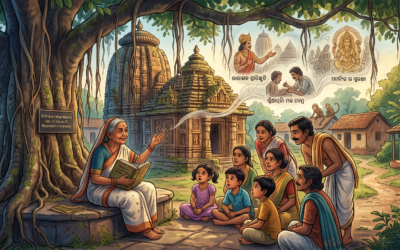
Facts about Nandighosha Rath: The Grand Chariot of Lord Jagannath
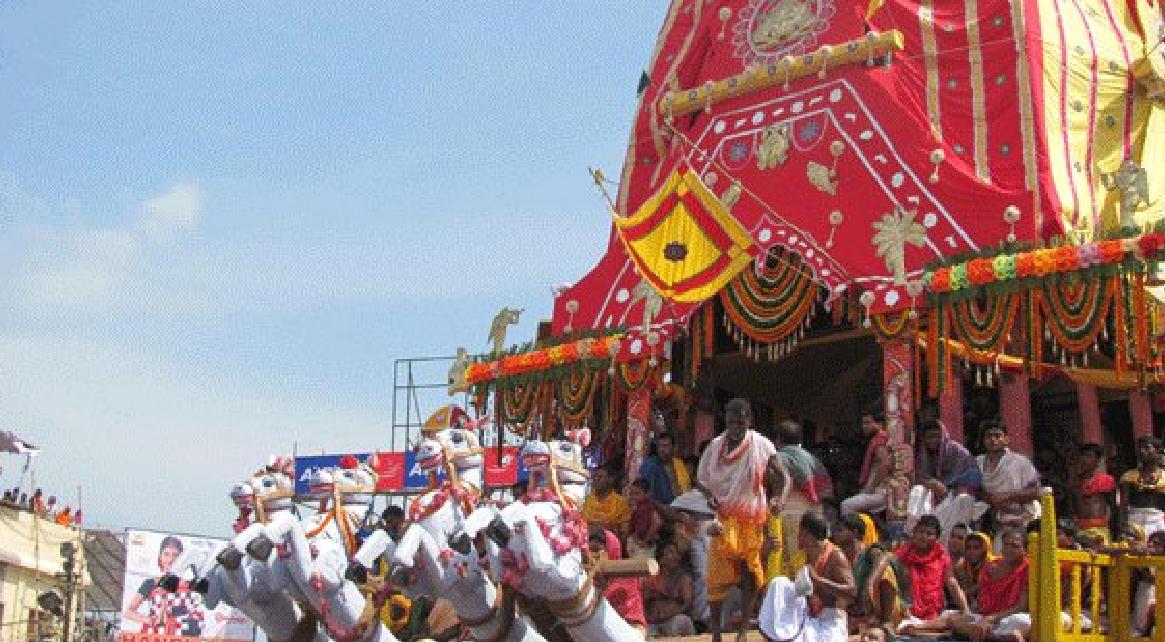
Nandighosha Rath: The Grand Chariot of Lord Jagannath

The Nandighosha Rath has a position of great spiritual and cultural importance in Lord Jagannath’s annual Rath Yatra (Chariot Festival), which takes place in Puri, Odisha. As the chariot of Lord Jagannath himself, Nandighosha is not just a vehicle—it is a representation of faith, tradition, and the richly ingrained heritage of one of the world’s oldest and most majestic festivals.
Overview of Rath Yatra
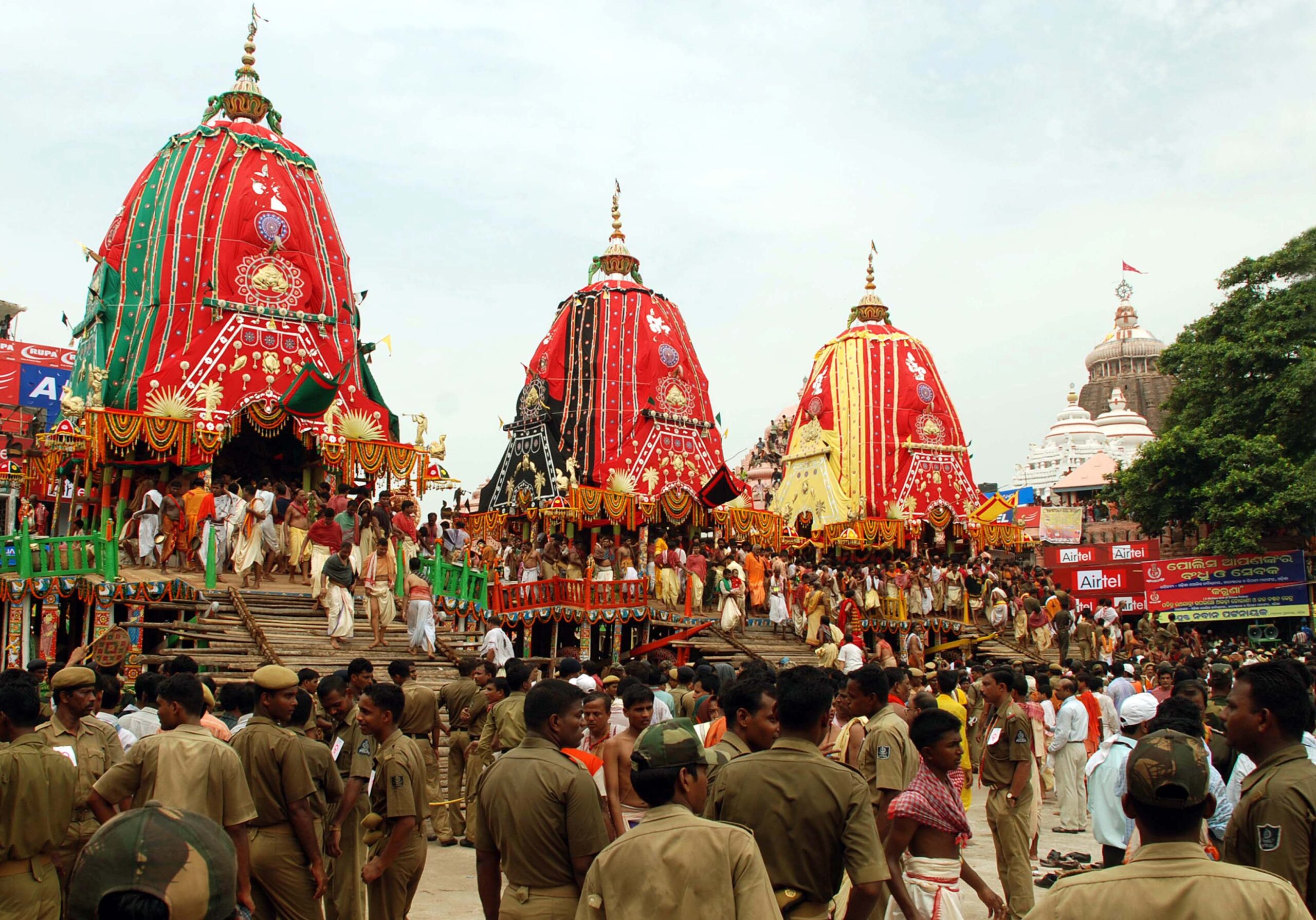
The *Rath Yatra*, or Chariot Festival, takes place annually in the month of Ashadha (June–July). It commemorates the yearly pilgrimage of Lord Jagannath, and his siblings Lord Balabhadra and Devi Subhadra, from Jagannath Temple to Gundicha Temple, around 3 kilometers distant. Each deity has his or her majestic chariot, but the most elaborate and sacred is Lord Jagannath’s Nandighosha Rath.
Design and Structure of Nandighosha Rath
Name:Nandighosha (also called Garudadhwaja or Kapidhwaja)
Deity:Lord Jagannath
Height: About 44 feet (13.2 meters)
Wheels: 16, painted red and yellow
Decorative Colors: Bright red and yellow represent power and energy
Guarding Deity: Garuda (the divine eagle)
Ratha Flag: Trailokyamohini
Charioteer:Daruka
Horses: Four white horses named Shankha, Balahaka, Sweta, and Haridashwa
The chariot is built with a lengthy process that takes place with the help of expert artisans, woodworkers, and painters who adhere to ages-old customs. No metal or nails are used in building, strictly adhering to centuries-old rituals and environmentally friendly methods.
—
Symbolic Meaning
Nandighosha represents cosmic movement and the cycle of life. The yearly journey of Lord Jagannath is interpreted as his coming out of the sanctum to greet and bless his followers. The chariot itself is seen as the universe, with each element—wheel, pillar, and canopy—spiritually symbolical.
Rituals Associated with Nandighosha Rath
1. Snana Yatra: The deities are bathed in a grand ceremony before the Rath Yatra.
2. Anasara:The gods take ill after the bath and remain in solitude, during which period the devotees are not allowed to see them.
3. Rath Yatra: On the festival day, Lord Jagannath rides Nandighosha and is drawn by thousands of devotees to the Gundicha Temple.
4. Hera Panchami:A ceremonial procession when Goddess Lakshmi goes to the Gundicha Temple to show her displeasure.
5. Bahuda Yatra:The journey back home after nine days.
6. Suna Besha:On the return, gods are decorated with golden ornaments, making it a stunning sight to behold.
—
Cultural Significance
The pulling of Nandighosha by thousands of believers represents unity and shared devotion. It is thought that pulling the chariot wipes out sins and awards spiritual merit. The festival surpasses religious lines and draws millions from all over the globe.
—
Global Recognition
The grandeur of Nandighosha Rath and the Rath Yatra in its entirety has been recognized all over the world. Miniature forms of this festival are organized in cities across the globe by ISKCON and other institutions with the message of peace, harmony, and spirituality.
—
Conclusion
Nandighosha Rath is not merely a chariot—it is an icon of devotion, divine presence, and the eternally enduring spiritual culture of India. It is a living reminder of the nation’s thriving traditions and the unflagging devotion of tens of millions of followers who, year after year, come to view and experience this incredible spectacle.