Simple Ways to Reduce Sugar Without Giving Up Your Favourite Foods
Cutting down on sugar sounds easy—until someone tells you to give up your morning tea, favourite dessert, biscuits, sweets and every food you actually enjoy.
That is probably why many people never even try.
But reducing sugar does not mean living on salads, drinking bitter tea or saying goodbye to every sweet food forever.
The more realistic approach is much simpler:
Eat less sugar, less often, and make small changes that you can actually continue.
The World Health Organization recommends keeping free sugars below 10% of total daily energy intake, with a further reduction to below 5% offering additional health benefits. Free sugars include sugar added to foods and drinks, as well as sugars naturally present in honey, syrups and fruit juices.
Here are some easy ways to reduce sugar without making your food boring.
1. Start With Your Tea and Coffee
For many Indians, sugar does not begin with dessert.
It begins with the first cup of tea.
If you drink three or four cups of tea or coffee every day and add two teaspoons of sugar each time, the amount can quickly add up.
You do not have to suddenly switch to completely sugar-free tea.
Try reducing gradually.
If you currently use two teaspoons, reduce it to one-and-a-half for a week. Then move to one teaspoon.
Your taste buds often adjust with time.
Simple rule: Reduce, don’t shock yourself.
2. Stop Drinking Your Sugar
Sugary drinks are one of the easiest places to cut back.
Soft drinks, packaged juices, energy drinks, sweetened coffee, flavoured milk and many bottled beverages can contain significant amounts of sugar.
WHO specifically recommends limiting sugary beverages and choosing fresh fruit instead of sweet snacks and drinks.
Try replacing sugary drinks with:
- Plain water
- Lemon water without added sugar
- Buttermilk
- Unsweetened tea
- Coconut water occasionally
- Infused water with mint, cucumber or lemon
You may be surprised how much sugar disappears from your diet without changing a single meal.
3. Eat the Fruit Instead of Drinking It
A glass of fruit juice sounds healthy.
But whole fruit is generally a better everyday choice.
WHO’s definition of free sugars includes the sugars naturally present in fruit juices, while sugars contained within whole fresh fruits are treated differently.
Instead of orange juice, eat an orange.
Instead of apple juice, eat an apple.
Whole fruit also provides fibre and takes longer to eat, making it more satisfying.
This does not mean fruit juice is “poison.”
It simply means whole fruit is usually the better regular habit.
4. Don’t Turn Breakfast Into Dessert
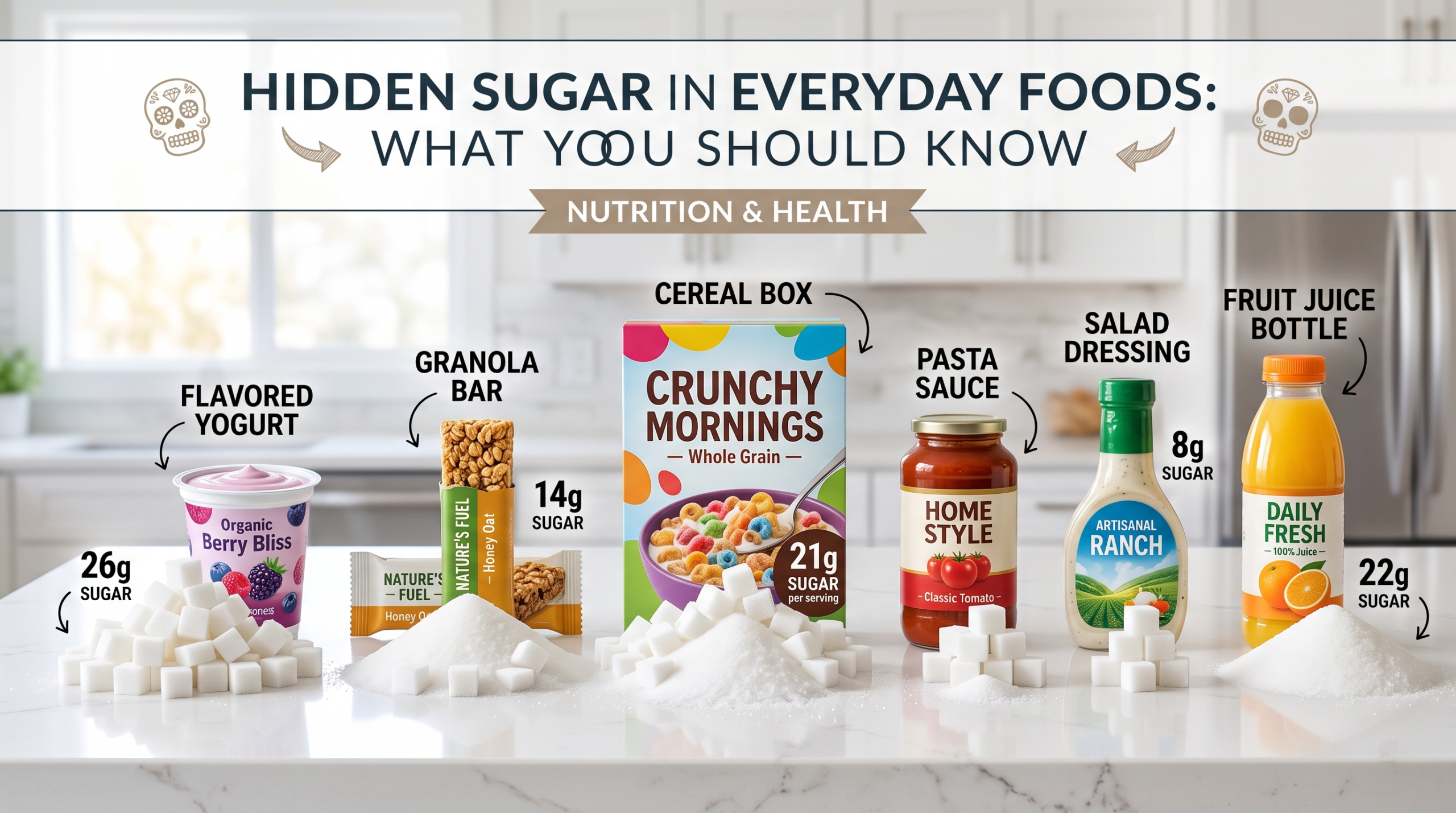
Many breakfast foods marketed as healthy can contain considerable added sugar.
Examples may include:
- Sweetened breakfast cereals
- Flavoured yoghurt
- Granola
- Chocolate spreads
- Packaged muffins
- Sweetened oatmeal
- Flavoured milk
A simpler breakfast might be:
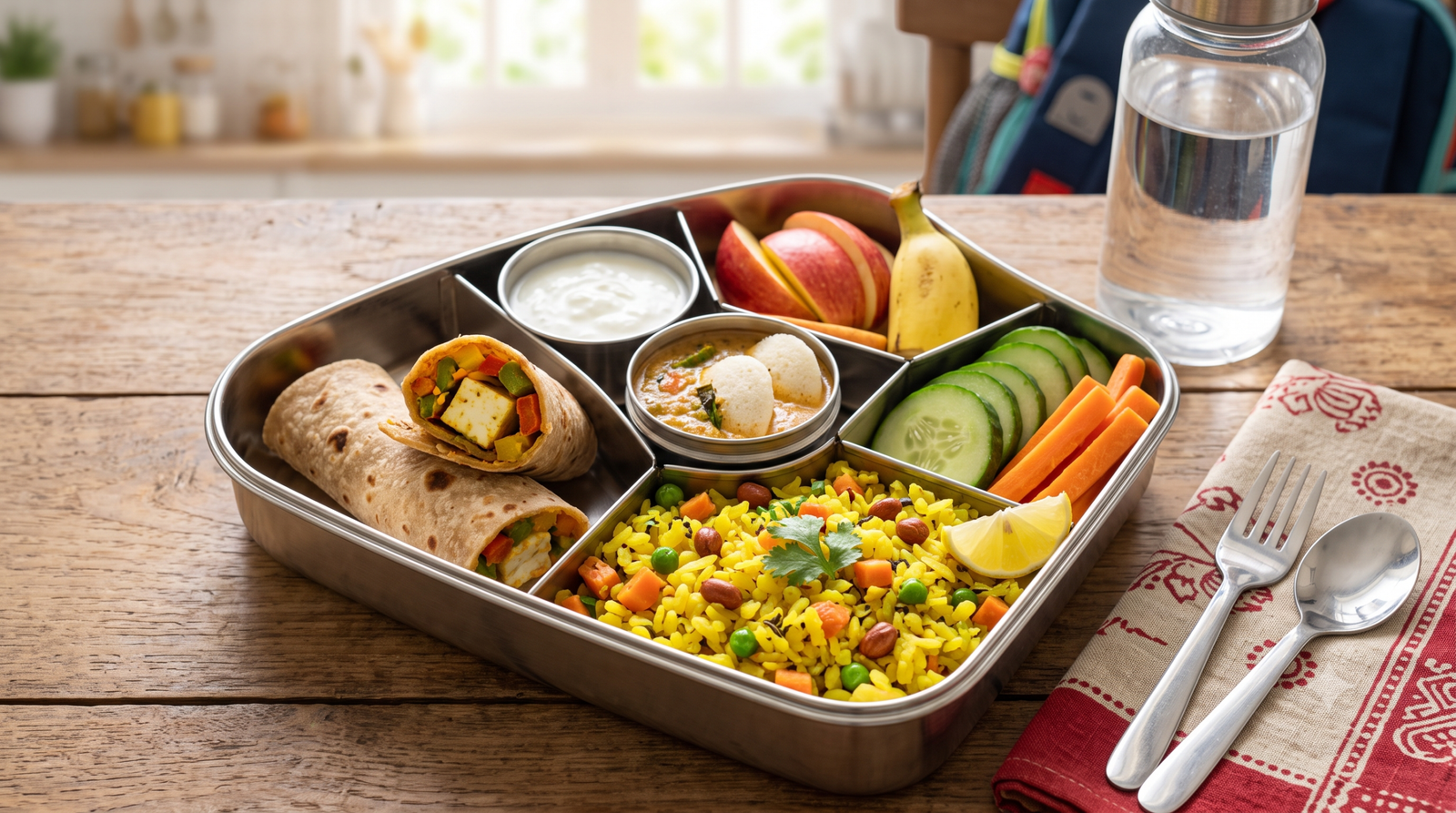
Poha.
Idli.
Upma.
Vegetable paratha.
Chuda Dahi without lots of added sugar.
Eggs, if part of your diet.
Fruit with plain curd.
Traditional breakfasts can often be perfectly satisfying without turning the first meal of the day into a sugar-heavy one.
5. Read Food Labels
Sugar is not always obvious.
Packaged foods may contain ingredients such as:
- Sugar
- Glucose
- Fructose
- Corn syrup
- Malt syrup
- Invert syrup
- Dextrose
- Sucrose
This does not mean you need to become obsessed with every ingredient.
Just compare similar products.
If two yoghurts look almost identical but one contains much more added sugar, choosing the lower-sugar option is an easy improvement.
India’s ICMR-NIN dietary guidelines also highlight excessive sugar, fat and salt as nutrients of concern in many highly processed foods.
6. Keep Your Favourite Mithai—Just Change the Portion
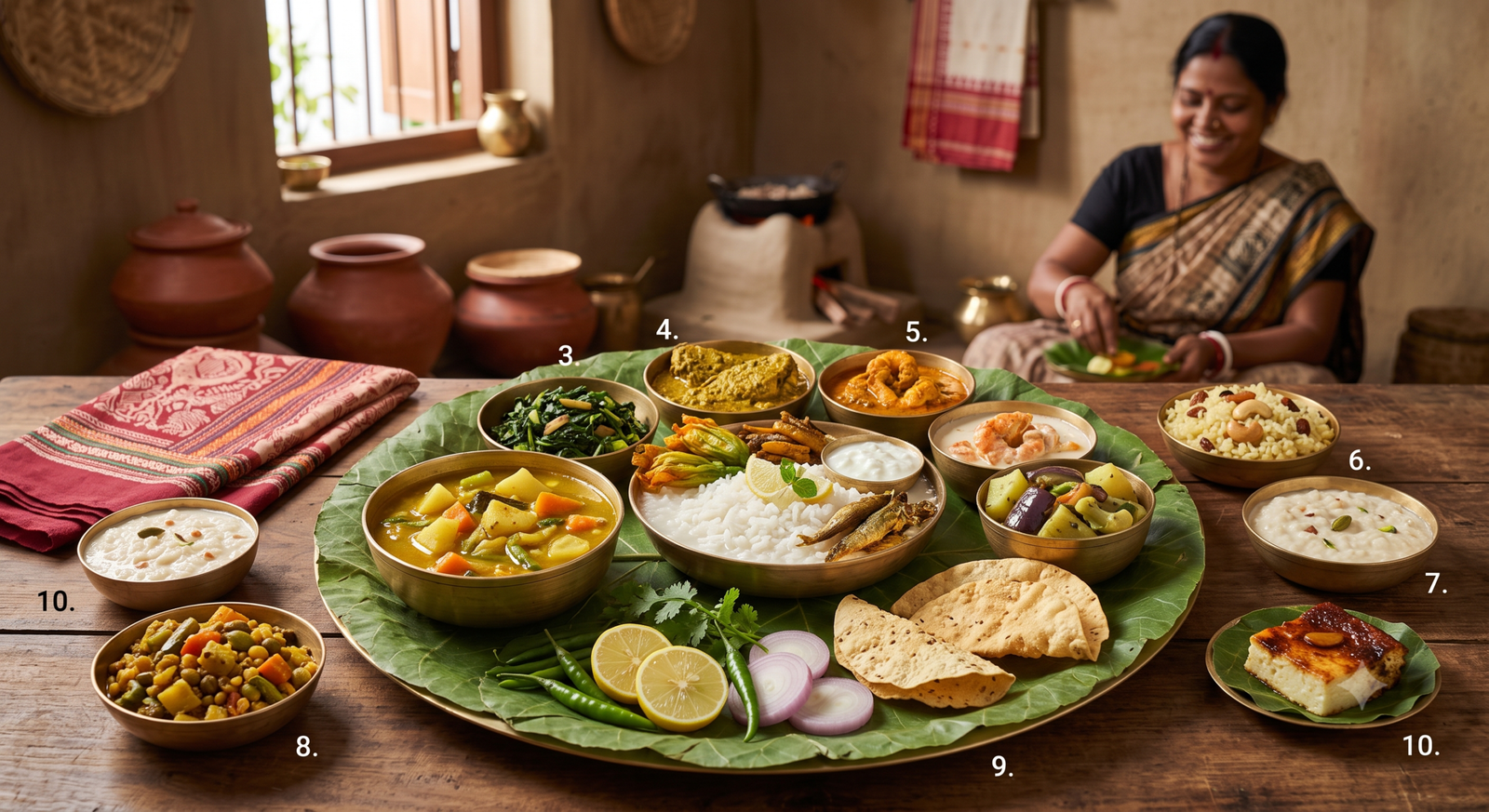
You don’t have to permanently abandon Rasagola, Gulab Jamun, Kheer or Chhena Poda.
The problem is often not the existence of dessert.
It is frequency and quantity.
Instead of eating three pieces of mithai, enjoy one.
Instead of buying a large dessert every evening, make it an occasional treat.
Eat slowly.
Actually taste it.
A smaller portion enjoyed properly can be far more satisfying than mindlessly eating a large amount while watching television.
7. Don’t Replace Sugar With Unlimited Jaggery or Honey
This is one of the most common misunderstandings.
People stop using white sugar and begin adding large amounts of honey or jaggery because they believe these are completely healthy alternatives.
Honey and jaggery may differ nutritionally from refined sugar, but they still contribute sugars and calories.
WHO’s definition of free sugars specifically includes sugars present in honey and syrups.
So replacing three teaspoons of sugar with three teaspoons of honey does not magically create a low-sugar diet.
Use them for flavour if you enjoy them—but still use them moderately.
8. Make Plain Curd Your Default
Flavoured yoghurt can sometimes contain considerable added sugar.
Plain curd is much easier to control.
Add your own:
- Banana
- Apple
- Papaya
- Pomegranate
- Cinnamon
- Nuts
- Seeds
You control the sweetness instead of letting the manufacturer decide.
For children, colourful fruit mixed into plain curd can also make it more appealing.
9. Reduce Sugar in Homemade Recipes
If a recipe asks for one cup of sugar, experiment with using slightly less.
Many cakes, halwa, kheer and homemade desserts remain enjoyable even when the sugar is reduced.
You can also use naturally sweet ingredients such as:
- Banana
- Dates
- Raisins
- Apple
- Sweet potato
These do not make a dessert sugar-free, but they can sometimes reduce the amount of additional sweetener required.
The goal is not perfection.
It is gradually reducing how sweet everything needs to taste.
10. Be Careful With “Healthy” Snacks
Biscuits with words like:
“Digestive.”
“Multigrain.”
“Fitness.”
“High fibre.”
“Natural.”
These labels can create a health halo.
But a product can contain whole grains and still have added sugar.
The same is true of cereal bars, protein bars, granola and flavoured drinks.
Flip the packet over and read the nutrition information instead of relying only on the front label.
11. Choose Savoury Snacks More Often
When hunger strikes at 5 p.m., sweets and biscuits are convenient.
But you can rotate in savoury alternatives such as:
- Roasted chana
- Peanuts
- Sprouts
- Vegetable chaat
- Homemade poha
- Mudhi with vegetables
- Boiled corn
- Fruit with nuts
- Dhokla
- Idli
Not every snack needs to taste sweet.
Training yourself to enjoy different flavours can naturally reduce sugar cravings.
12. Make Dessert an Event Again
There was a time when sweets were associated with festivals, celebrations and special occasions.
Now dessert can arrive multiple times a day:
Sweet tea in the morning.
Biscuits at 11.
Sweetened beverage with lunch.
Chocolate in the afternoon.
Dessert after dinner.
When sweet food becomes constant, it stops feeling special.
Try making desserts intentional.
Enjoy them when you genuinely want them—not simply because something sweet happens to be available.
13. Don’t Keep Large Quantities of Sweets Within Reach
Willpower becomes much harder when your kitchen contains:
A box of chocolates.
Three packets of biscuits.
Soft drinks.
Mithai.
Ice cream.
Sugary breakfast cereal.
You do not have to ban these foods from the house.
Just avoid stocking them in huge quantities.
The easier a food is to access, the more likely we are to eat it without thinking.
Your environment can quietly shape your diet.
14. Combine Sweet Foods With Something Filling
If you want something sweet, pair it with a more satisfying food.
For example:
Banana + peanuts.
Fruit + curd.
Apple + nuts.
A small piece of dessert after a balanced meal.
This can be more satisfying than repeatedly snacking on sweets alone.
15. Allow Your Taste Buds to Change
One of the most interesting things about reducing sugar gradually is that extremely sweet foods may eventually begin to taste too sweet.
If someone suddenly removes all sugar, the change can feel unpleasant.
But slow reductions are often easier.
Reduce sugar in tea.
Then reduce sweetened drinks.
Then reduce packaged desserts.
Then adjust recipes.
After several weeks, foods that once tasted normal may suddenly taste excessively sweet.
That is progress you can actually feel.
What Counts as “Free Sugar”?
This is where people often get confused.
Free sugars include sugars added during cooking or manufacturing, as well as sugars naturally present in products such as honey, syrups and fruit juices.
WHO recommends limiting free sugars to less than 10% of daily energy intake, with less than 5% suggested for additional benefits. For a person consuming about 2,000 calories a day, 10% is roughly equivalent to 50 grams of free sugar.
This recommendation does not mean you need to fear the natural sugars contained within whole fresh fruit and vegetables.
Whole foods come packaged with nutrients and fibre in a way that sugary drinks do not.
You Don’t Need to Become “Sugar-Free”
Social media often makes healthy eating sound extreme.
“No sugar for 30 days.”
“Never eat dessert again.”
“Sugar is poison.”
These slogans attract attention.
But long-term habits rarely need that level of drama.
For most people, the more sustainable question is:
Can I eat less added sugar than I do today?
If the answer is yes, start there.
Use less sugar in tea.
Choose water instead of a soft drink.
Eat whole fruit.
Buy fewer biscuits.
Have one dessert instead of three.
Read labels.
Reduce portion sizes.
These may appear like tiny decisions.
But when repeated every day, small decisions become habits.
And habits matter far more than a perfect diet that lasts only one week.
The Bottom Line
You do not need to stop enjoying food to reduce sugar.
You can still celebrate with mithai.
Still enjoy a cup of tea.
Still eat cake on a birthday.
Still have your favourite Odia dessert.
Healthy eating is not about removing every pleasure from life.
It is about making treats treats again, instead of turning them into everyday habits.
Start small.
Your tea does not have to become bitter tomorrow.
Maybe it just needs half a teaspoon less sugar.
And sometimes, that is exactly how healthier habits begin.