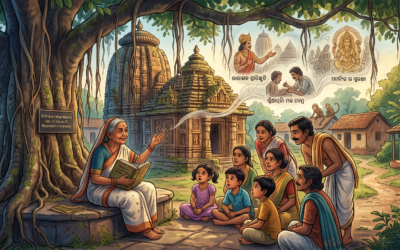
The history of Bhubaneswar and facts you didnt know.
Bhubaneswar, the lively capital of Odisha, is a living history of India’s multifaceted past—from ancient civilizations to present-day master planning. Respected as the “Temple City,” its narrative goes back more than 3,000 years, infused through dynastic domination, religious passion, and forward-thinking urban planning.

The region surrounding Bhubaneswar is rich in antiquity. A short distance away from the city stands the remains of Sisupalgarh, a walled urban settlement dating from the 3rd century BCE. It was the site of the vicious Kalinga War (c. 262–261 BCE), during which the conquest by Emperor Ashoka left a mark that could never be erased. His rock edict at Dhauli, inscribed around 250 BCE, remains a stately testament to his guilt and adoption of nonviolence.
After the Mauryans, Bhubaneswar was a center of politics and religion under dynasties such as the Mahameghavahana (Kharavela), Satavahanas, Guptas, and Shailodbhavas . Some of the city’s oldest temples are the Bharateswara Shiva Temple, which dates to the 6th century CE—a symbol of Kalinga-style architecture . The tradition of architecture thrived as the Somavamshi (7th–10th c.) and Eastern Ganga (11th–14th c.) rulers commissioned a series of sanctuaries each reflecting the changing Hindu aesthetic.
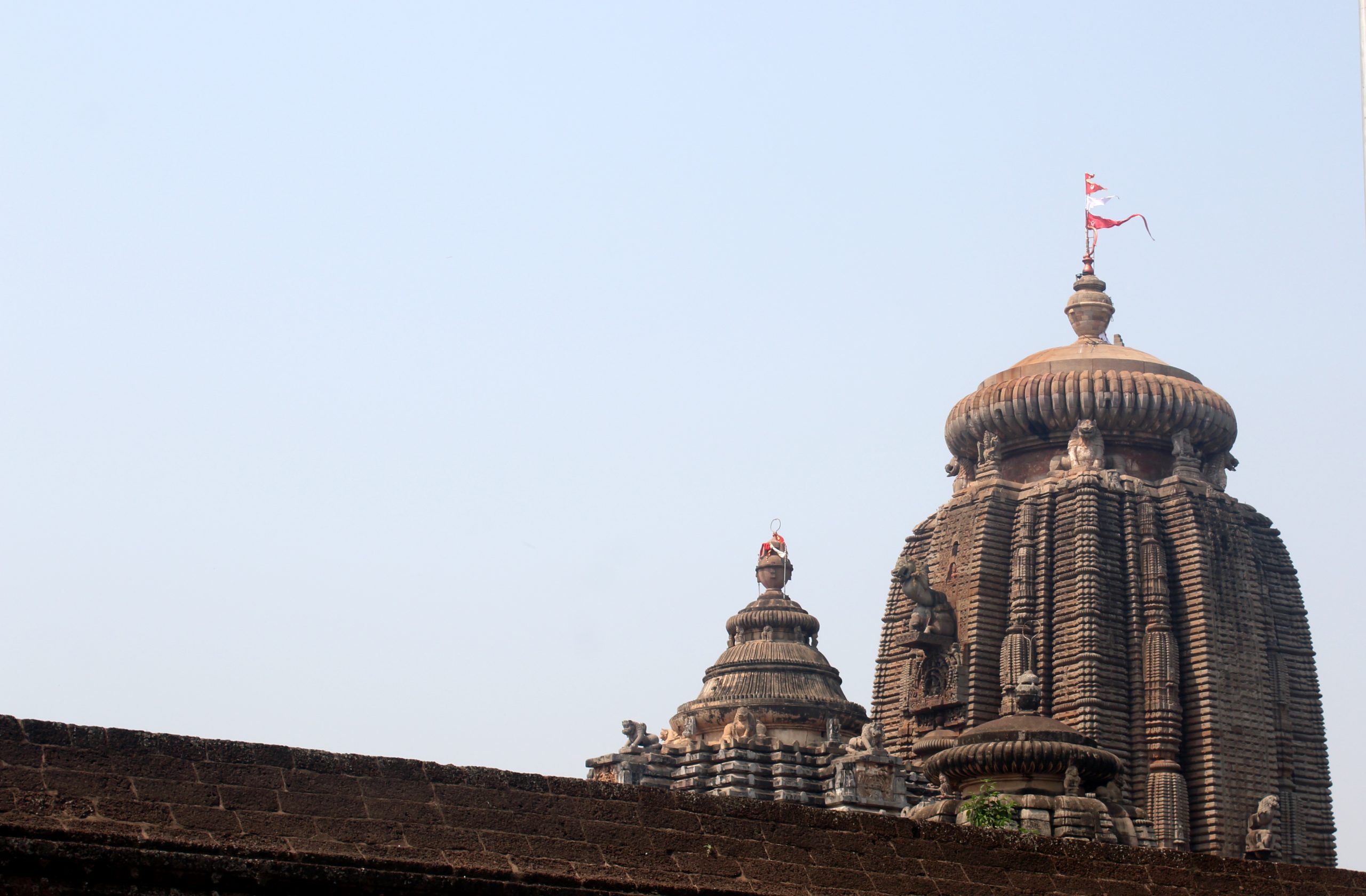
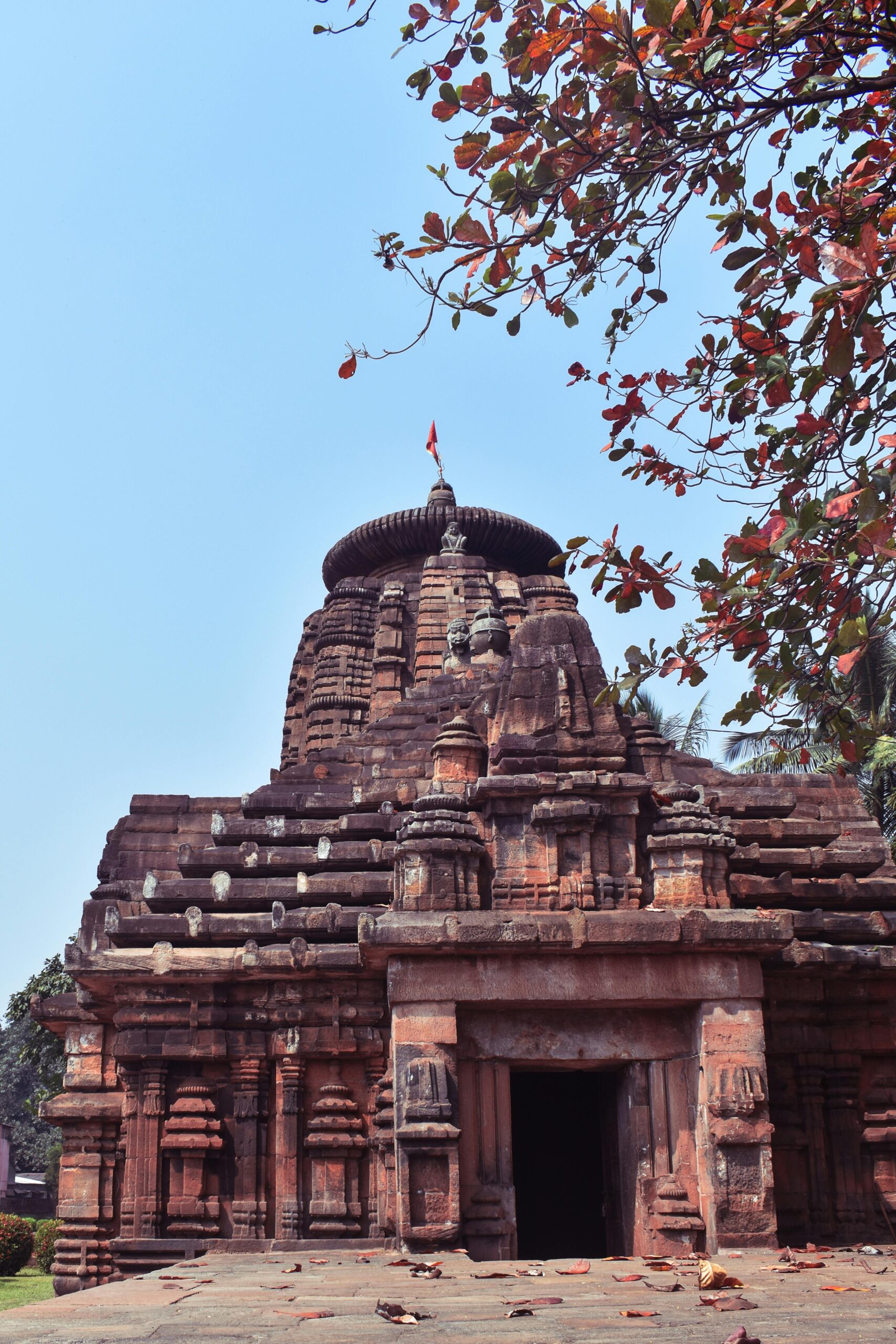
The Parsurameswara Temple (7th–8th c.) is Bhubaneswar’s oldest surviving shrine, reflecting early Nagara and Kalinga styles, capped with Odisha’s first jagamohana—or porch . Centuries afterward, the Mukteshvara Temple (c. 950–975 CE) brought temple art to a higher level with its characteristic torana, which represents the Zenith of early medieval design. The 11th-century Lingaraja Temple—Bhubaneswar’s beautiful flagship—demonstrates matured Kalinga principles, balancing imperial size with spiritual subtlety in its five-level composition . In contrast, the 11th-century Rajarani Temple delights with red-and-yellow sandstone and elaborate erotic sculpture . To complete this series of Shiva shrines is the Ananta Vasudeva Temple (13th c.), Bhubaneswar’s main Vishnu shrine, notable for its unusual Vaishnava interest in otherwise Shaiva city .
By the medieval era, religious significance of Bhubaneswar was established—its Old Town, also referred to as Ekamra Kshetra (“mango grove field”), was a place of pilgrimage and an exhibition of the art skills of Odisha . However, following the decline of the Eastern Gangas, local turbulence—characterized by Afghan (Karrani), Maratha, and British occupation—resulted in the abandonment of the temples.
A new era began after independence. In April 1948, Prime Minister Jawaharlal Nehru laid the foundation for new Bhubaneswar, shifting the Odisha capital away from flood-risk Cuttack The city was designed by German planner Otto Königsberger in 1946–48 as one of India’s first planned postcolonial cities, featuring broad avenues, administrative areas, and greenbelts . It was formally dedicated on April 13, 1948, and later in August 1949—now celebrated as its Foundation Day.
Now, Bhubaneswar represents a dynamic mix: the tranquility of old stone statues and temple festivals (such as Mukteswar Dance and Rajarani Music Festivals), with lively university campuses (IIT, AIIMS, NISER) and a growing IT industry supporting it as a rapidly developing smart city. The city remains a gateway to the Puri–Konark–Chilika circuit while retaining its own distinct identity—temples and pathbreaking urbanism living harmoniously together.
From Ashokan edicts to German blueprints, Bhubaneswar’s path is a chronicle of endurance and innovation: creating a future based on the lessons of its past.